






















From mountain towns to island getaways, many of our country’s best-known vacation spots are over-the-top expensive. The good news? In my 15+ years of travel writing, I’ve found that for every pricey destination, there are often alternatives that deliver a similar experience — scenery, recreation, history, atmosphere — without the same crowds and sticker shock.
Whether you’re drawn to red rock landscapes in the Southwest, island paradises in the tropics or mountain towns in the Rockies, these lesser-known places serve as affordable alternatives to some of America’s most expensive vacation spots.
Instead of Park City, try Ogden

Park City is one of the most recognizable mountain destinations in the American West. In summer, visitors come for its historic Main Street, upscale dining and shopping, mountain biking and easy access to the Wasatch Range. It also benefits from close proximity to Salt Lake City, making it one of the most accessible high-end mountain towns in the country.
Why Ogden works instead
Ogden, Utah, delivers a similar Wasatch Front mountain experience with a more working-town character and significantly less resort-driven pricing pressure. Unlike Park City’s highly curated resort vibe, Ogden’s downtown is more industrial-turned-creative, shaped by rail history, manufacturing and an evolving, independent food and arts scene. Located about 40 miles north of Park City, it offers immediate access to the same mountain range, trail systems and alpine scenery.
What to do
Start on Historic 25th Street, Ogden’s main corridor of restored brick buildings, local restaurants, breweries and galleries. For outdoor access, head into the nearby Wasatch Mountains via Ogden Canyon, where hiking, mountain biking and climbing routes are within a short drive of downtown.
The Snowbasin and Powder Mountain areas, major ski areas during the winter, offer summer hiking trails and scenic lift access in warmer months. Ogden is also home to several museums tied to its rail and aviation history, including the nearby Utah State Railroad Museum and Hill Aerospace Museum.
Instead of Sedona, try Kanab

Sedona is famous for its red rock landscapes, scenic drives, hiking trails and desert scenery. Its dramatic sandstone formations have made it one of the Southwest’s most recognizable destinations, attracting hikers, photographers, wellness travelers and outdoor enthusiasts.
Why Kanab works instead
Kanab, Utah, offers many of the same visual rewards that make Sedona so popular. Surrounded by red cliffs, canyons and public lands, the town sits at the center of one of the most scenic regions in the American Southwest. Kanab is typically less crowded than Sedona and serves as a practical base for exploring multiple parks and monuments.
What to do
Take a day trip to Coral Pink Sand Dunes State Park, hike among the sandstone formations of Grand Staircase-Escalante National Monument or explore nearby slot canyons. Kanab is also within easy reach of Bryce Canyon National Park, Zion National Park and the North Rim of the Grand Canyon. Movie buffs can visit Little Hollywood Museum, which highlights the town’s long history as a filming location for Westerns.
Instead of Key West, try Cedar Key

Island atmosphere, colorful architecture, waterfront dining, and laid-back culture — Key West has all of it in spades. Visitors are drawn by the tropical scenery, sunsets, seafood and the feeling of being far removed from mainland America.
Why Cedar Key works instead
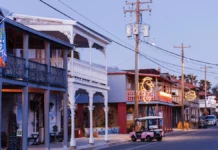
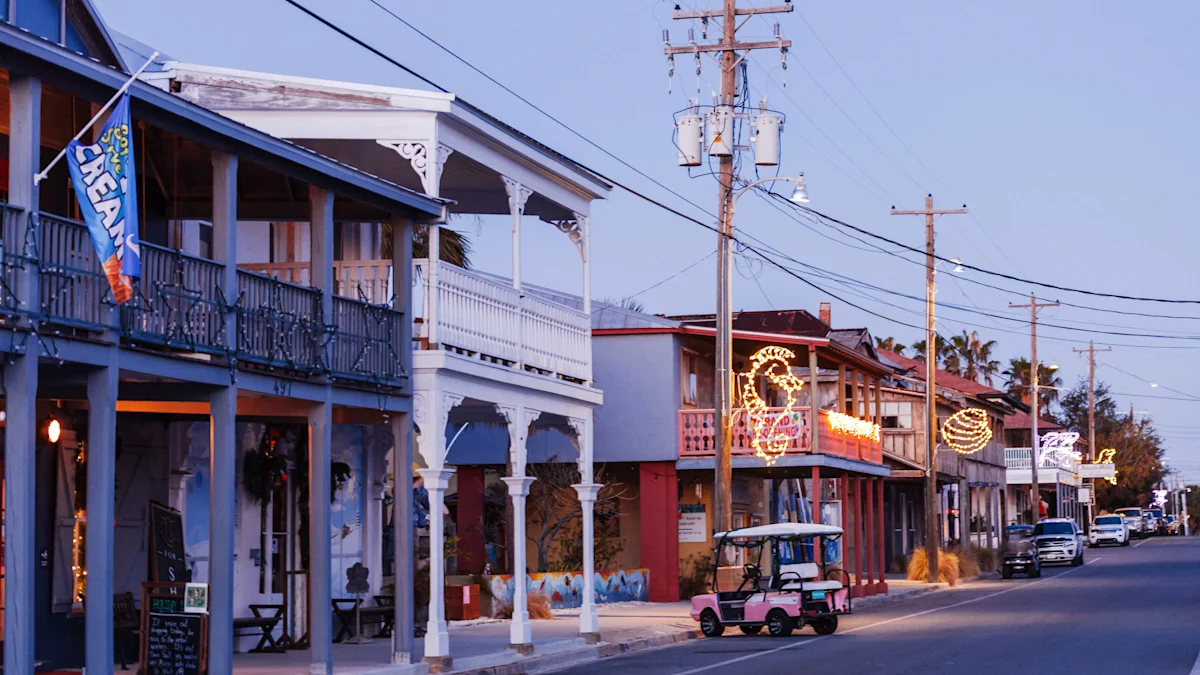
Cedar Key offers a quieter version of many of the qualities that make Key West appealing. Located on Florida’s Gulf Coast, the small island community retains much of the character often described as “Old Florida” — fishing boats still fill the harbor, seafood remains central to the local economy, and the pace of life is notably slower than in the state’s larger resort destinations. Cedar Key doesn’t have the party-heavy drinking scene typically associated with Key West — few places do — but there are plenty of waterfront bars and restaurants to keep you entertained.
What to do
Walk through the historic downtown, browse local galleries and enjoy fresh Gulf seafood at waterfront restaurants. Kayaking is one of the area’s most popular activities thanks to the surrounding islands, marshes and shallow coastal waters. Visitors can also explore the Cedar Keys National Wildlife Refuge, fish from local piers or simply spend time by the water, drink in hand, watching the sunset over the Gulf.
Instead of Jackson, try Cody

Jackson serves as the gateway to Grand Teton National Park and one of the primary access points for Yellowstone. Travelers come for the mountain scenery, Western atmosphere, wildlife viewing, outdoor recreation and iconic town square.
Why Cody works instead
Founded by Buffalo Bill Cody in the late 19th century, Cody, Wyoming, offers many of the same Western themes that attract visitors to Jackson. The town provides easy access to Yellowstone National Park while maintaining a stronger connection to ranching, rodeo culture and frontier history. It also tends to feel less crowded during the height of summer travel season, with more approachable prices than Jackson.
What to do
Visit the Buffalo Bill Center of the West, one of the country’s premier museums dedicated to Western history and culture. Attend the Cody Stampede Rodeo, which operates throughout the summer, explore the historic downtown or take the scenic drive west toward Yellowstone through the Shoshone River Valley. Wildlife viewing, fishing, and hiking opportunities are plentiful throughout the surrounding region.
Instead of Moab, try Fruita

Moab has become one of the most popular outdoor destinations in the American West thanks to its red rock landscapes, world-class mountain biking, off-roading, hiking, rafting and proximity to Arches National Park and Canyonlands National Park.
Why Fruita works instead
Fruita, Colorado, lacks Moab’s national park credentials, but it has built a strong reputation among mountain bikers, hikers, rafters and road trippers looking for similar scenery with fewer crowds and lower lodging prices. Fruita sits at the base of the Colorado National Monument and other public lands with abundant trails. It’s relatively easy to reach, just 20 minutes from Grand Junction Airport.
What to do
Mountain biking is the biggest draw, with trails like 18 Road and Kokopelli exploring the desert terrain. Visitors can hike among the rock formations of Colorado National Monument, known for its towering sandstone cliffs, red-rock canyons and scenic overlooks. The Colorado River, which runs adjacent to Fruita, offers rafting, paddleboarding, and fishing, while downtown Fruita has local restaurants, breweries, and a growing outdoor recreation culture. Dinosaur lovers can also visit the area’s fossil sites and museums, including exhibits at the Dinosaur Journey Museum.
Instead of New Orleans, try Lafayette

New Orleans, famous for its music, food, architecture and nonstop cultural energy, needs no introduction. Visitors come for live jazz on Frenchmen Street, Creole and Cajun cuisine, historic neighborhoods like the French Quarter and major annual events like Mardi Gras and Jazz Fest.
Why Lafayette works instead
Lafayette, Louisiana, offers a more grounded version of Louisiana’s cultural and culinary identity, with deep Cajun roots and a strong local music scene. Located in the heart of Acadiana, it provides easy access to bayous, wetlands and small towns where Cajun French traditions — in food and music specifically — lead the charge. While Lafayette doesn’t replicate the scale or intensity of New Orleans, it delivers many of the same cultural foundations, including music, food and regional history, without the same level of visitor volume or pricing pressure.
What to do
Start in downtown Lafayette, where live music venues, dance halls and locally owned restaurants anchor the city’s nightlife and cultural scene. The area is a strong base for exploring Cajun cuisine, from gumbo and boudin to crawfish boils, depending on the season.
Just outside the city, visitors can explore the Atchafalaya Basin, the largest river swamp in the United States, through boat tours or guided kayaking trips. Acadian Village offers a preserved look at 19th-century Cajun life, while Vermilionville Historic Village expands on regional history. There are also two jazz festivals in Lafayette worth scheduling a trip around: Festival International de Louisiane and Downtown Blues & Jazz Festival.