
















Trending Now



World news

What ‘just go for a walk’ leaves out
The evidence on exercise and depression is weaker than the headlines and more interesting than the sceptics allow. It points at structure and supervision, not walks.



Travel guides
Tech
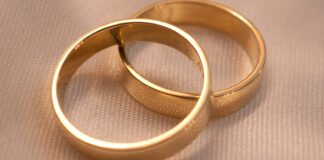
The 50% Divorce Rate Was True for About One Year. You...
In 1981 the United States recorded 2,422,000 marriages and 1,213,000 divorces. Divide one by the other and you get 50.1%. It was also the peak year. The statistic has not been updated since.

Health
Your Myers-Briggs type is four coin flips in a trench coat
The MBTI measures four real traits with decent reliability, then discards most of what it measured by drawing a line through the middle of a bell curve.


Most popular

The eight-glasses rule is a sentence someone deleted
The 1945 document blamed for the rule said most of your water comes from food and that thirst is an adequate guide. Both sentences were cut. Here is what the evidence actually shows.

The sleep chart everyone copies has a footnote nobody reads
The age-by-age sleep chart is a compromise document, and the panels that wrote it said so. What the primary sources actually show about how much sleep you need.

Breakfast is not the most important meal of the day
The randomised trials point gently the other way. But the real story is the audit that found only 17% of citations to a key trial described its results accurately.

The 50% Divorce Rate Was True for About One Year. You Can Name It.
In 1981 the United States recorded 2,422,000 marriages and 1,213,000 divorces. Divide one by the other and you get 50.1%. It was also the peak year. The statistic has not been updated since.
Sport news

Blue-Light Glasses: What the Cochrane Review Found
Seventeen randomised trials, and no reliable evidence that blue-filtering lenses reduce eye strain. The physics is the more interesting part: the lenses block roughly eight percent more blue light than the clear ones.

Two Researchers Disagreed About Money and Happiness. So They Ran the Study Together.
The famous $75,000 plateau and the study that contradicted it were both partly right. Finding that out required something research almost never does: the two authors sat down and re-analysed the data jointly.
Your Myers-Briggs type is four coin flips in a trench coat
The MBTI measures four real traits with decent reliability, then discards most of what it measured by drawing a line through the middle of a bell curve.

The Vitamin D Trials Nobody Talks About
Two of the largest supplement trials ever run found almost nothing. Then the Endocrine Society withdrew the threshold that made half the country deficient in the first place.

The sleep chart everyone copies has a footnote nobody reads
The age-by-age sleep chart is a compromise document, and the panels that wrote it said so. What the primary sources actually show about how much sleep you need.
Recipes
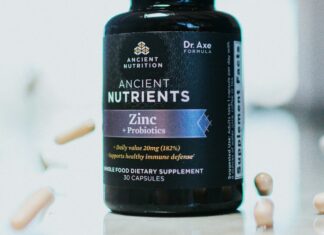
The Vitamin D Trials Nobody Talks About
Two of the largest supplement trials ever run found almost nothing. Then the Endocrine Society withdrew the threshold that made half the country deficient in the first place.
LATEST ARTICLES








Latest article

The Meditation Researchers Auditing Their Own Field
Fifteen leading contemplative scientists published a paper warning about the hype around their own discipline. Almost nobody reported it — including the finding that when you finally ask people properly, most report side effects.
The 50% Divorce Rate Was True for About One Year. You Can Name It.
In 1981 the United States recorded 2,422,000 marriages and 1,213,000 divorces. Divide one by the other and you get 50.1%. It was also the peak year. The statistic has not been updated since.

The Open Office Was Built on a Measurement. Then Nobody Measured It Again for...
When researchers finally put sensors on employees before and after a redesign, face-to-face interaction fell by about 70%. The study did not measure productivity — and after six decades of fit-outs, almost nothing has.