



















The 2026 FIFA World Cup isn’t just inspiring soccer fans to tune in or attend the games — it’s also sparking curiosity about the cultures, food and destinations connected to the teams competing on the world stage.
Google Trends data shows searches for flights to Cape Verde have reached an all-time high. The team made an unexpected run during its first World Cup appearance, captivating audiences around the globe.
Searches about what Morocco is known for have jumped 170% since the World Cup started. They became the first African team to reach the quarter-finals in two consecutive World Cups (2022 and 2026). Morocco will be cohosting the 2030 World Cup finals with Portugal and Spain.
Fans also pumped excitement around the tournament, as the Tartan Army led massive bagpipe marches to the stadiums in support of Scotland, while the Norwegian “RO!” chant became a cultural phenomenon. Curiosity about Norwegian cuisine also climbed 135%, and interest in Brunost, a Norwegian brown cheese, peaked too.
If the tournament has you daydreaming about your next trip, here’s what to know about the destinations generating the most buzz.
Cape Verde

This island nation is located about 350 miles off the coast of West Africa and is known for its year-round sunshine, volcanic landscapes and blend of African and Portuguese influences. It offers a range of interests from beach resorts and mountain hikes to music and culture.
Where to go
Cape Verde is an archipelago in the central Atlantic Ocean made up of 10 volcanic islands. Praia, the capital of Cape Verde, is located on Santiago Island and offers historical sites tied to the country’s colonial and maritime history, as well as a chance to experience Cape Verdean daily life and music. The Plateau is the oldest neighborhood in the city, sitting on a mesa overlooking the harbor and featuring colonial-era architecture, churches and public squares.
Mindelo, located on São Vicente Island, is often considered the cultural capital. It’s known for its colorful architecture, waterfront cafes and nightlife scene. Meanwhile, Sal and Boa Vista are popular destinations for travelers seeking a relaxing beach vacation. White sand, turquoise waters, all-inclusive resorts and water sports attract visitors from all around the world.
On the other hand, adventure-seeking travelers might prefer Santo Antão Island, famous for its scenic mountain landscapes and some of the best hiking trails in the Atlantic.
What to eat
The cuisine in Cape Verde reflects its African, Portuguese and island influences. Visitors should try the country’s national dish, cachupa, made with corn, beans, vegetables and meat or fish. Seafood like tuna, lobster and grilled fish are also staples there.
Other specialties include pastéis, which are savory pastries often filled with fish or meat. The national alcoholic beverage is grogue, a potent spirit distilled from fermented sugarcane juice.
The best time to visit
Typically, November through June are the best times to visit Cape Verde when the weather is warm, sunny and dry, though the busiest times tend to be December through April when Europeans flock to the islands for holiday. May and June tend to be the sweet spot for travelers looking for fewer crowds and lower hotel prices.
Curaçao

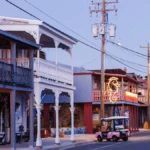
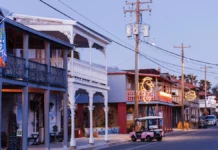
The Caribbean island of Curaçao is located just north of Venezuela. It’s part of the Kingdom of the Netherlands, and known for its Dutch colonial architecture, beautiful beaches, world-class diving and snorkeling and its namesake blue liqueur.
Where to go
Willemstad is the capital city of Curaçao. It’s a UNESCO World Heritage Site full of brightly colored waterfront buildings, historic districts, shopping and restaurants.
For travelers looking for a beach getaway and nightlife, Mambo Beach is a popular destination, offering swimming, beach clubs and restaurants. Playa Kenepa (Grote Knip) is considered one of Curaçao’s most beautiful beaches.
Christoffel National Park is the largest and most biodiverse park on the island, with hiking trails, wildlife and panoramic views. Shete Boka National Park offers a dramatic coastal scenery, rocky inlets and sea caves, while three different species of turtles are known to lay their eggs in the pocket bays.
What to eat
Curaçao’s local cuisine is a blend of Caribbean, Dutch, Latin American and African influences. The island’s signature dish, keshi yena, is made with cheese stuffed with spiced meat. Other favorites include kabritu stoba, a traditional goat stew, as well as fresh seafood, including mahi-mahi, red snapper and shrimp. Pastechi, savory pastries filled with cheese, meat or fish, are also a beloved island snack. And then, of course, there are treats and cocktails made with Blue Curaçao, a vibrant, blue liqueur.
The best time to visit
Curaçao sits outside the main hurricane belt in the Caribbean, making it a popular year-round destination. January through May are the best times to visit, as there’s little rainfall, low humidity and warm temperatures. Travelers looking for fewer crowds and lower prices may prefer May through November.
Morocco

The North African country is located along the Atlantic Ocean and the Mediterranean Sea and known for its ancient cities, beautiful desert landscapes and a mixture of Arab, Amazigh and European influences.
Where to go
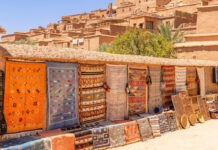
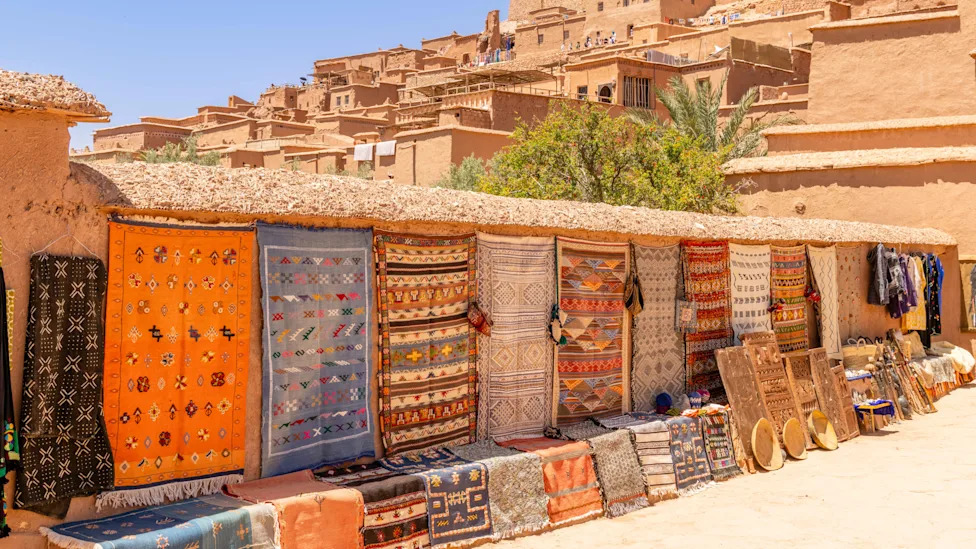
Marrakech is often the first stop for visitors. The city is known for its colorful souks filled with spices, rugs and textiles, as well as ornate palaces and the bustling Jemaa el-Fnaa square filled with food vendors and performers.
Travelers with an interest in history should consider visiting Fez, home to the Medina of Fez, a UNESCO World Heritage Site and a dense, labyrinthine maze of over 9,000 narrow alleys. For a more scenic setting, there’s Chefchaouen and its blue-painted streets. Those seeking a taste of Morocco’s most iconic scenery can experience camel rides and overnight stays at camps in the Sahara Desert.
What to eat
One of Morocco’s signature dishes is tagine, a slow-cooked stew prepared in a cone-shaped clay pot. Another staple is couscous, which is typically served with vegetables and meat. Visitors could also try pastilla, a savory-sweet pastry, along with fresh mint tea and street foods sold at markets throughout the country.
Best time to visit
Summer in Morocco can be extremely hot. Temperatures are the most comfortable for exploring cities from March through May and September through November.
Norway

The Scandinavian country is located in Northern Europe with vast mountainous terrain and Arctic landscapes. It’s famous for its Viking history, the northern lights, outdoor adventures and world-class seafood.
Where to go
Oslo is the capital and most populous city of Norway, combining deep Viking roots with striking futuristic architecture. It’s known for its world-class museums, waterfront attractions and modern Nordic dining.
Bergen is a picturesque city nestled among mountains and fjords, which are narrow U-shaped sea inlets once carved out by slow-moving glaciers. It serves as the gateway to some of Norway’s most notable natural attractions, including Nærøyfjord and Geirangerfjord, both part of the UNESCO-listed West Norwegian Fjords.
Head further north to Tromsø, which sits above the Arctic Circle, to experience the dazzling northern lights and arctic adventures. Also, fans of Norwegian soccer superstar Erling Haaland may want to head to Bryne to experience the hometown where he grew up.
What to eat
Team Norway made headlines in more ways than one during the 2026 World Cup. It drew attention by shipping over 1,200 pounds of food from Norway to its temporary headquarters in Greensboro, N.C., during the tournament to create continuity and predictability for the athletes.
Norway is renowned for its seafood, so it may be worth trying what the team had shipped in, which included hundreds of pounds of Norwegian salmon, trout and halibut. It also included brunost, a Norwegian caramelized brown cheese and Jarlsberg cheese.
Traditional dishes also include fiskesuppe (fish soup), along with raspeballer (potato dumplings) and reindeer stew in the northern regions. It’s also worth experiencing Norway’s bakery scene for cinnamon buns, waffles and pastries.
Best time to visit
June through August are the best months for mild temperatures and longer daylight hours for visitors looking to hike, take fjord cruises and sightsee. If you’re looking for snow activities or to chase the northern lights, November through March are the best times.
Scotland

This country in the United Kingdom, located in the northern part of Great Britain, is known for its majestic Highlands, historic castles, world-famous whiskey and rich cultural traditions like the Highland Games and the Edinburgh Festival Fringe.
Where to go
Edinburgh is Scotland’s capital city, where visitors can walk the Royal Mile, an iconic street that stretches from the majestic Edinburgh Castle to the Palace of Holyroodhouse, while taking in historic architecture along the way. Travelers looking for live music venues, innovative galleries and street art will enjoy Glasgow, featuring Victorian architecture, museums and lively nightlife.
The Scottish Highlands are home to the country’s most picturesque landscapes, including mountains, glens and deep lochs. Loch Ness is one of Scotland’s most well-known lakes, known for its stunning scenery and the legend of the Loch Ness monster.
Outdoor enthusiasts will also enjoy the Isle of Skye, a popular destination for hiking, dramatic cliffs, waterfalls and picturesque villages.
What to eat
Scottish cuisine ranges from hearty comfort foods to fresh seafood. Start off with a full Scottish breakfast, including bacon, sausage, black pudding, eggs, beans, mushrooms and tattie scones, a savory flatbread made with mashed potatoes, flour and butter.
Haggis is Scotland’s national dish, a pudding traditionally made with the sheep’s pluck (heart, liver and lungs), oats and spices. For a chilly day, visitors can try Scotch broth made with lamb or beef, barley, root vegetables and fragrant herbs. Or indulge in a creamy smoked haddock soup known as cullen skink, popular in northeastern Scotland.
And who could forget — Scotch whisky. It’s produced throughout the country, in regions including Speyside, Islay and the Highlands.
Best time to visit
May through September are typically the best times to visit, with longer daylight hours and milder temperatures for sightseeing and outdoor activities. Late spring or early fall is ideal for visitors hoping to avoid the crowds.